
Forty-five years earlier, Emil Rathenau had begun to turn his vision of electric street lighting into reality. In 1882, he adopted Edison’s improved light bulb and secured the patents for it. Now, in 1919, light bulb manufacturing was one of the fastest-growing sectors of the electrical industry.
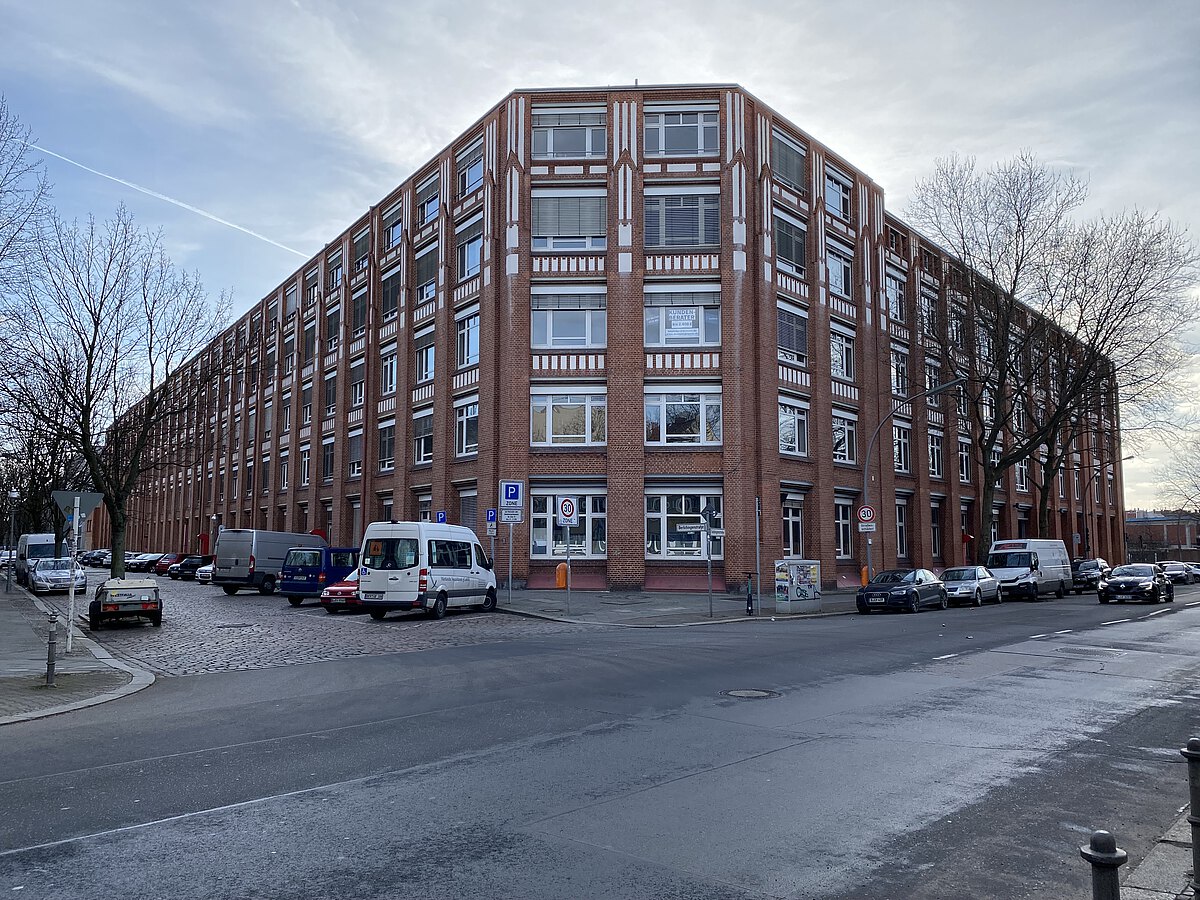
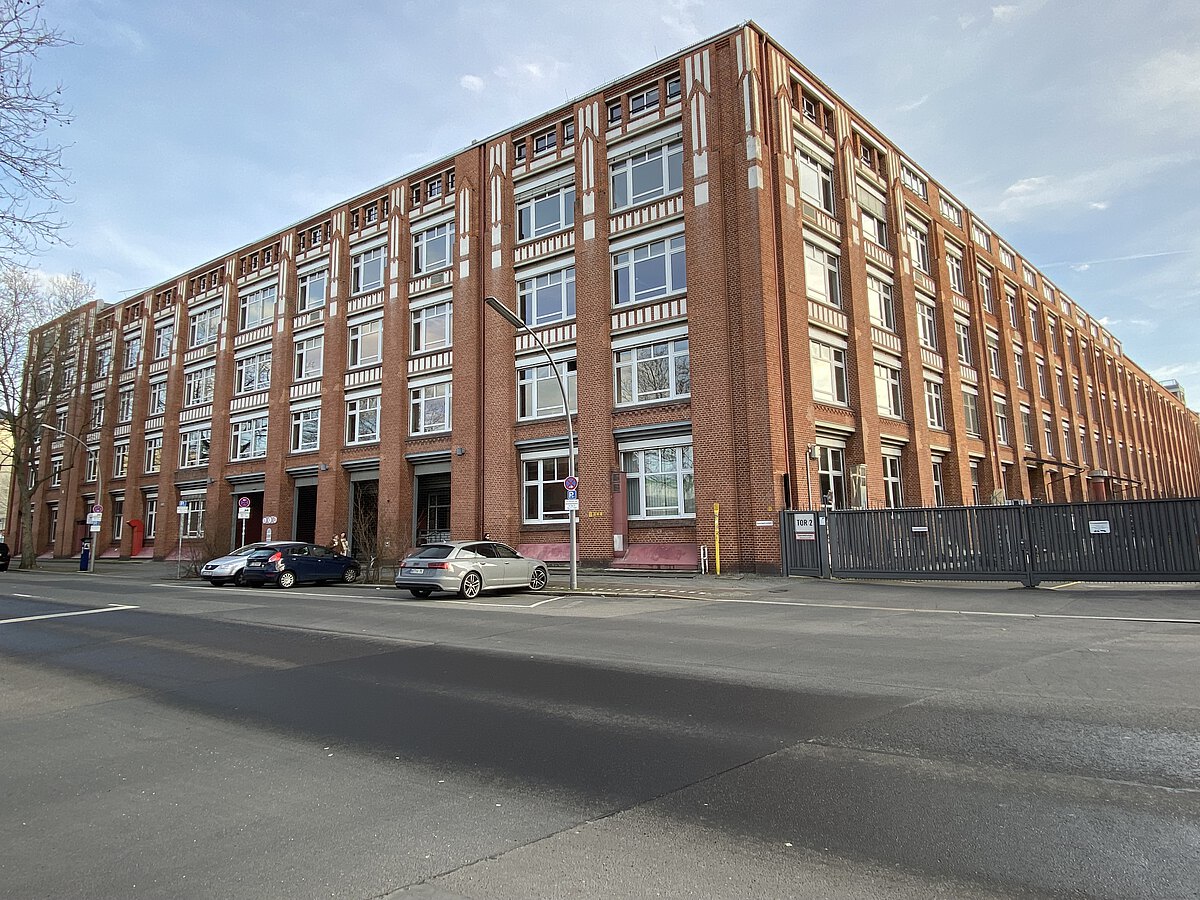
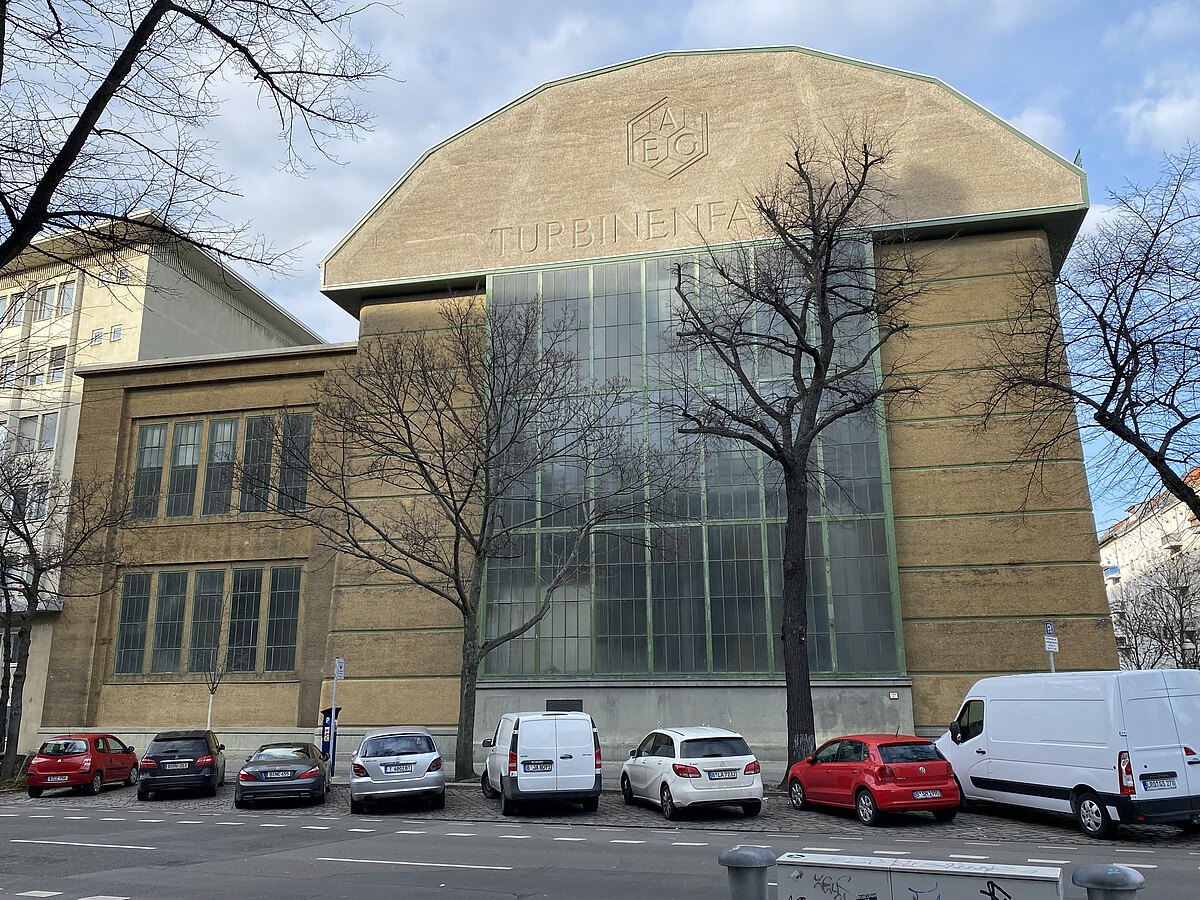
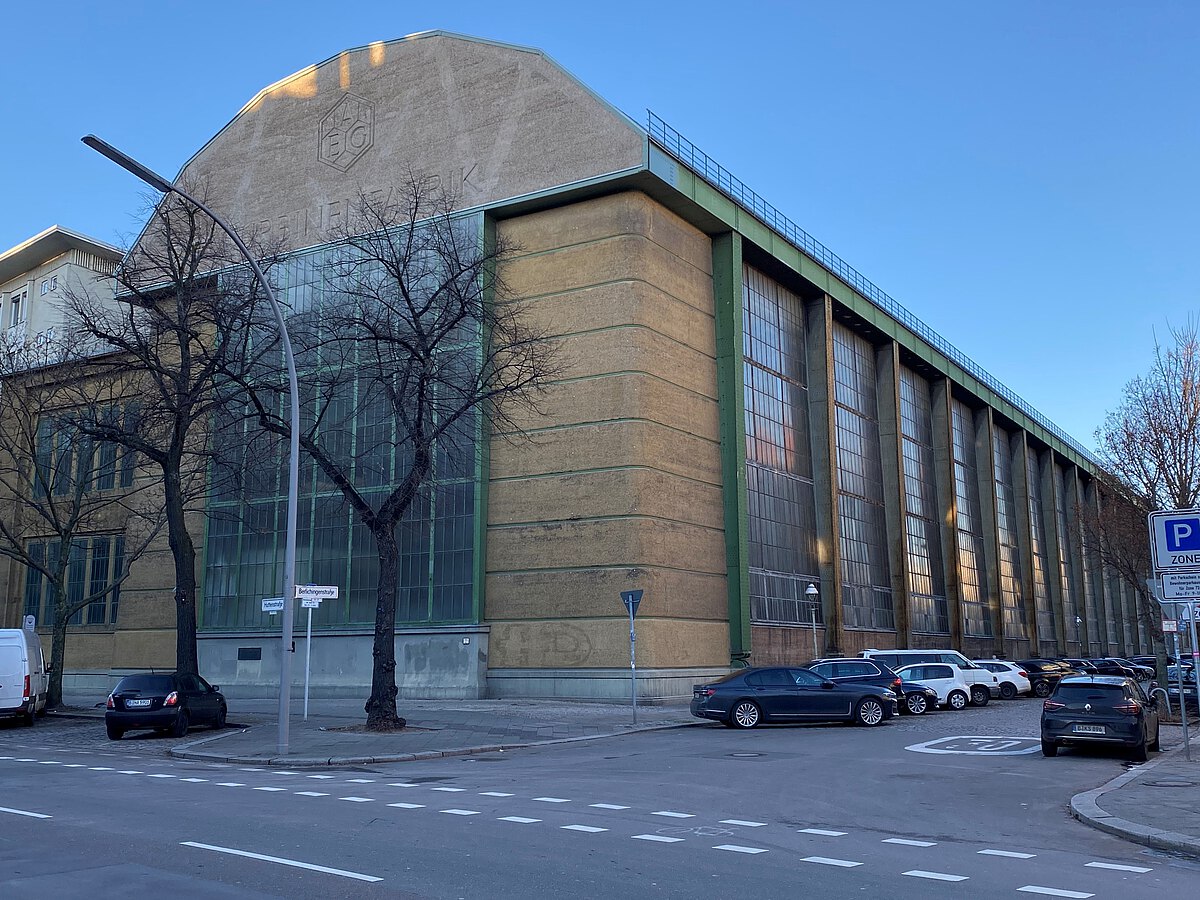
North of the AEG turbine factory designed byPeter Behrens at Huttenstraße 12–19 in Berlin -Moabit, whose side facade stretches more than 123 m—and after expansions, even more than 200 m—along Berlichingenstraße toward Sickingenstraße, the AEG incandescent lamp factory is built between 1904 and 1912. Designed by Johannes Kraaz and engineered by Viktor Kühn and Gustav Teske, a building complex was constructed on this site at 25 Berlichingenstraße and 70–71 Sickingenstraße, where AEG initially manufactured incandescent light bulbs until the plant was absorbed into Osram GmbH in 1919. In 1939, however, Telefunken took over the factory building and began producing electron tubes and other electrical equipment there. From 1952 to 1960, this location also served as the headquarters of Telefunken GmbH, until AEG established a new headquarters for its subsidiary in theTelefunken skyscraperon Ernst-Reuter-Platz. AEG Kondensatoren und Wandler GmbH is also headquartered on Sickingenstraße.
<< Back