
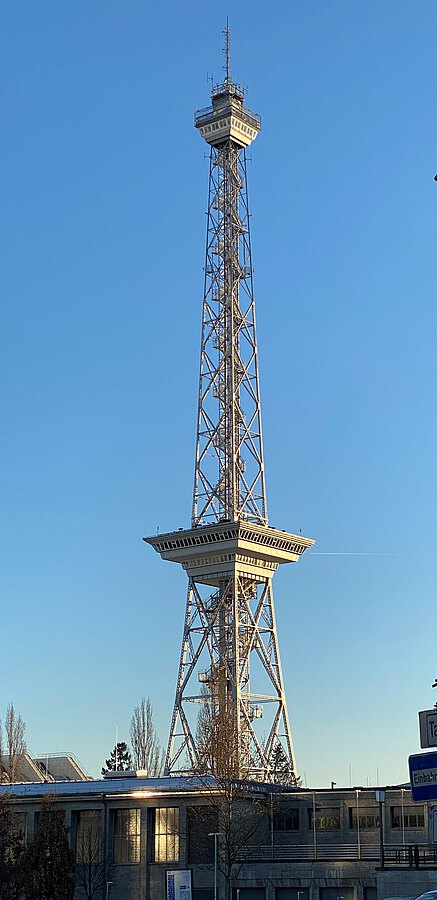
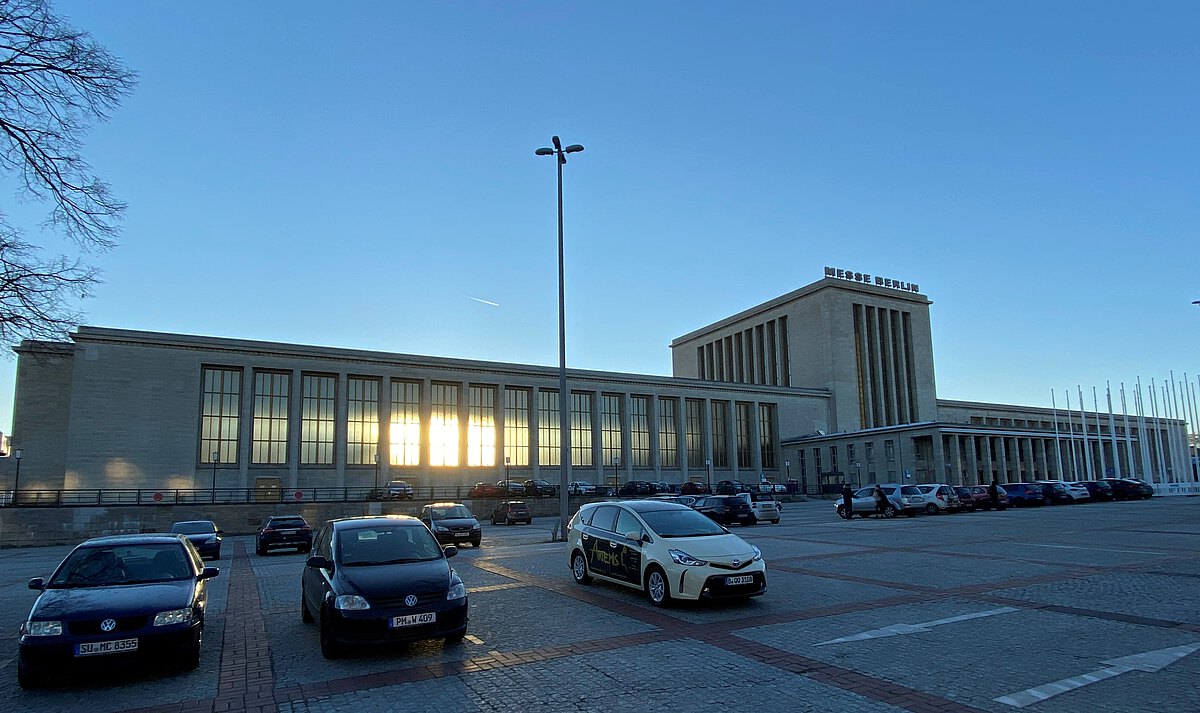

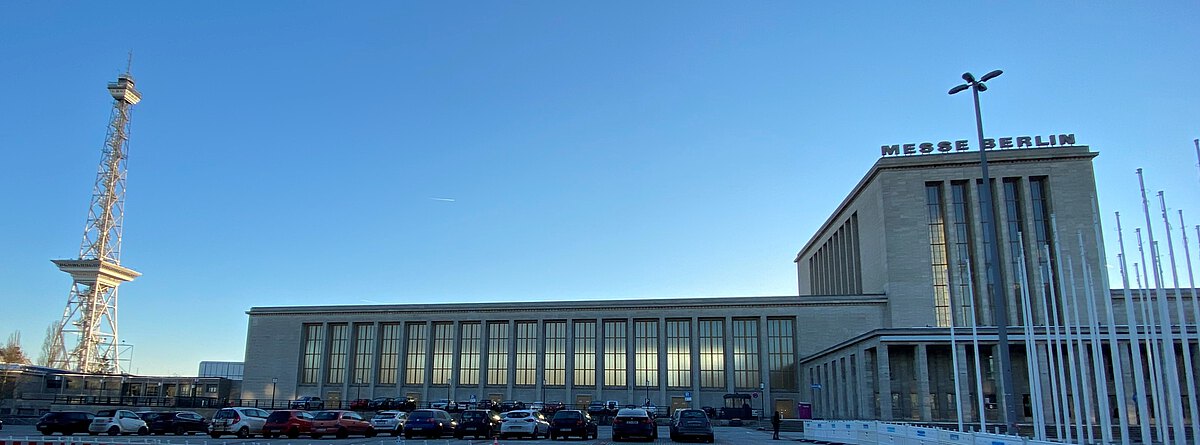
The International Radio Exhibition (IFA) has been held in Berlin since 1924; it is one of Germany’s oldest trade fairs and, in a sense, a showcase for the latest and most advanced consumer and professional electronics. From a distance, the 146.7-meter-tall Berlin TV Tower, constructed of steel, draws attention to this location. Commissioned in 1926, it quickly became one of the city’s most distinctive landmarks. The IFA constantly spurred AEG on to stay one step ahead of the competition and to showcase sophisticated AEG technology at this venue. In 1932, it unveiled an advanced television set with a cathode-ray tube (Braun tube) at the radio exhibition. Another highlight followed in 1935 with the “Magnetophon,” the first tape recorder. Although the first exhibits were destroyed in a fire at the exhibition grounds, AEG, however, manages to quickly deliver and showcase new tape recorders. By 1967, the company can be sure of attracting worldwide attention. Willy Brandt brings more color to the Federal Republic of Germany and presses the symbolic start button for color television, which was developed by Telefunken engineer Walter Bruch and gained worldwide recognition under the name PAL system (Phase Alternating Line system). Four years later, in 1971, AEG ushered in the video age with the TED technology (“Television Disc” system) developed by Telefunken, astonishing a wide audience at the IFA. But AEG also equipped the International Congress Center (ICC), adjacent to the exhibition grounds, with state-of-the-art event, communications, and electrical engineering in 1979. Two years later, in 1981, it was the stereo televisions built by Telefunken that won over trade show visitors for the AEG Group. To this day, AEG remains a highly regarded brand name at IFA. << Back