
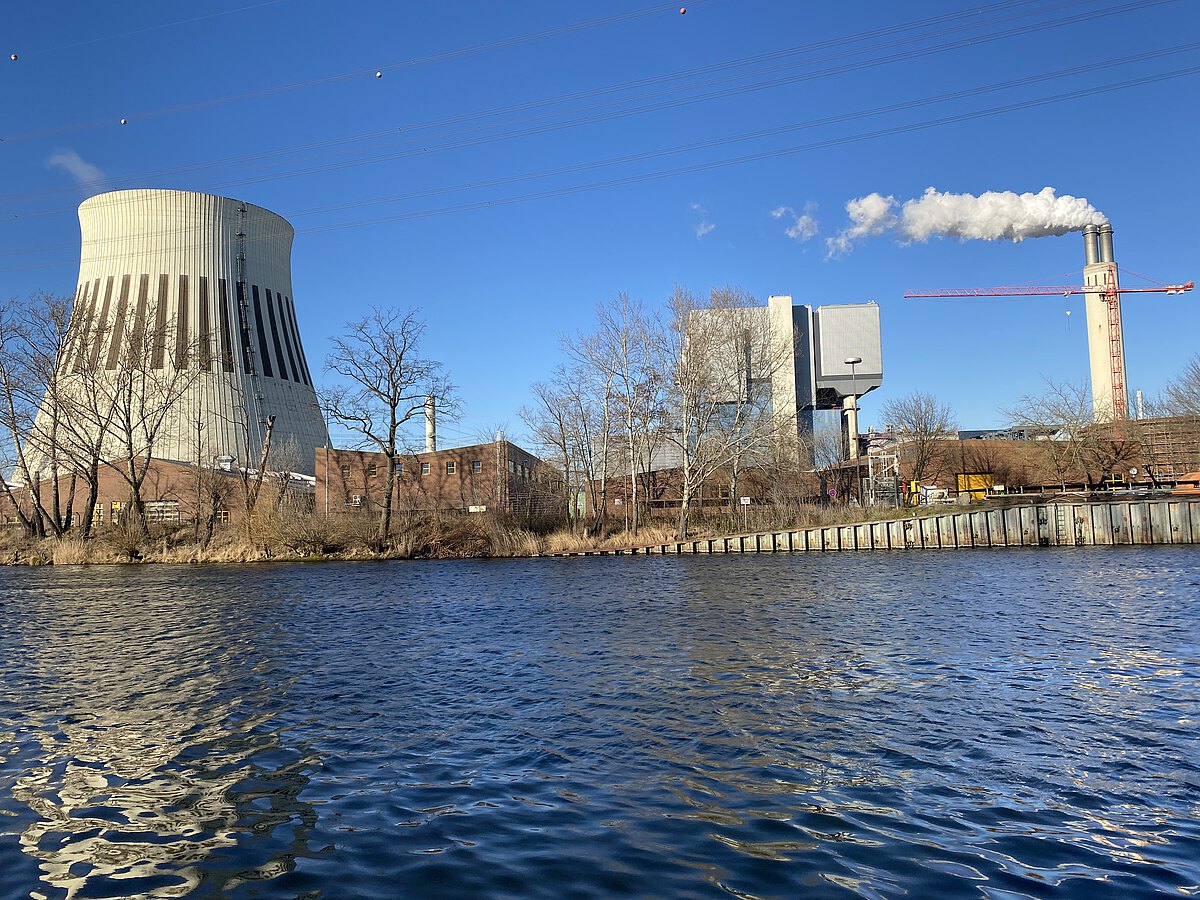
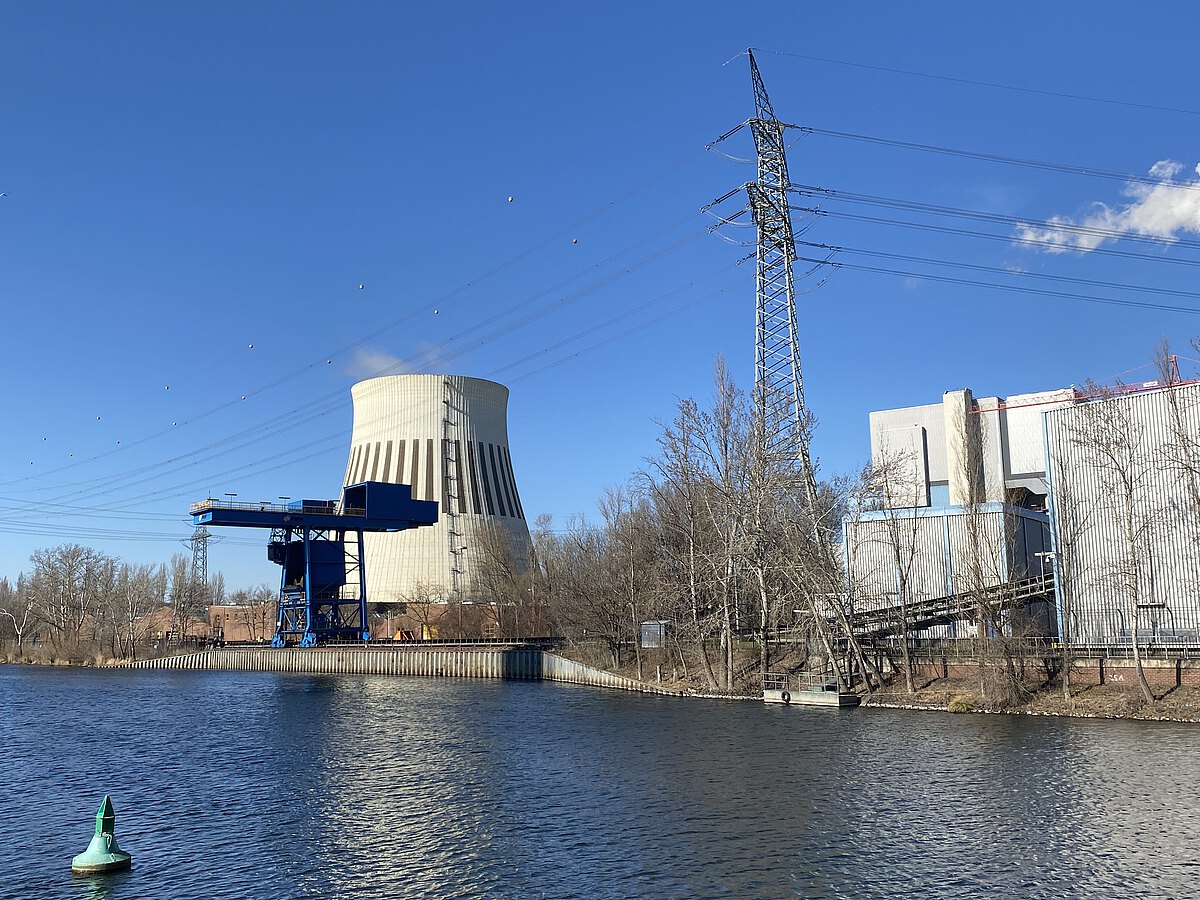
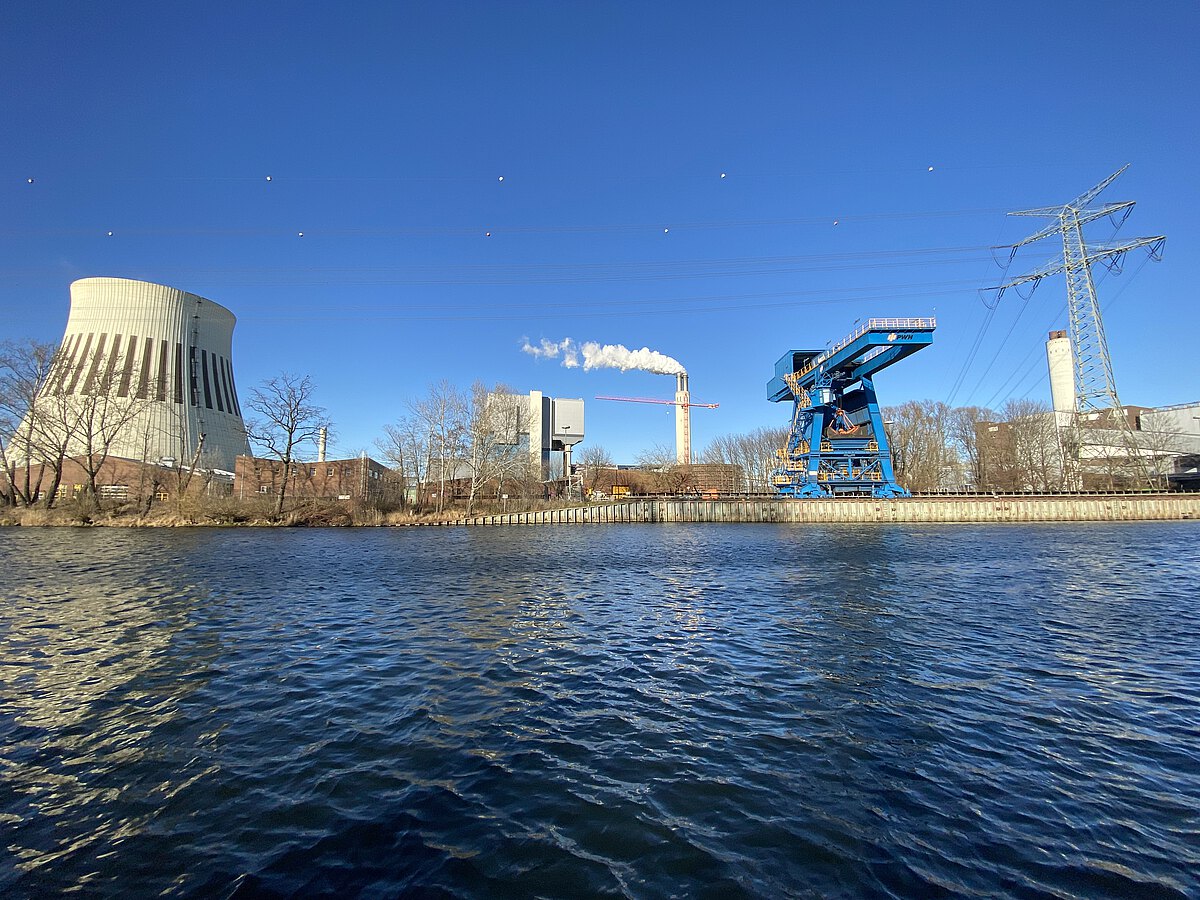
... Klingenberg and Reuter West are the main power generators in East and West Berlin.
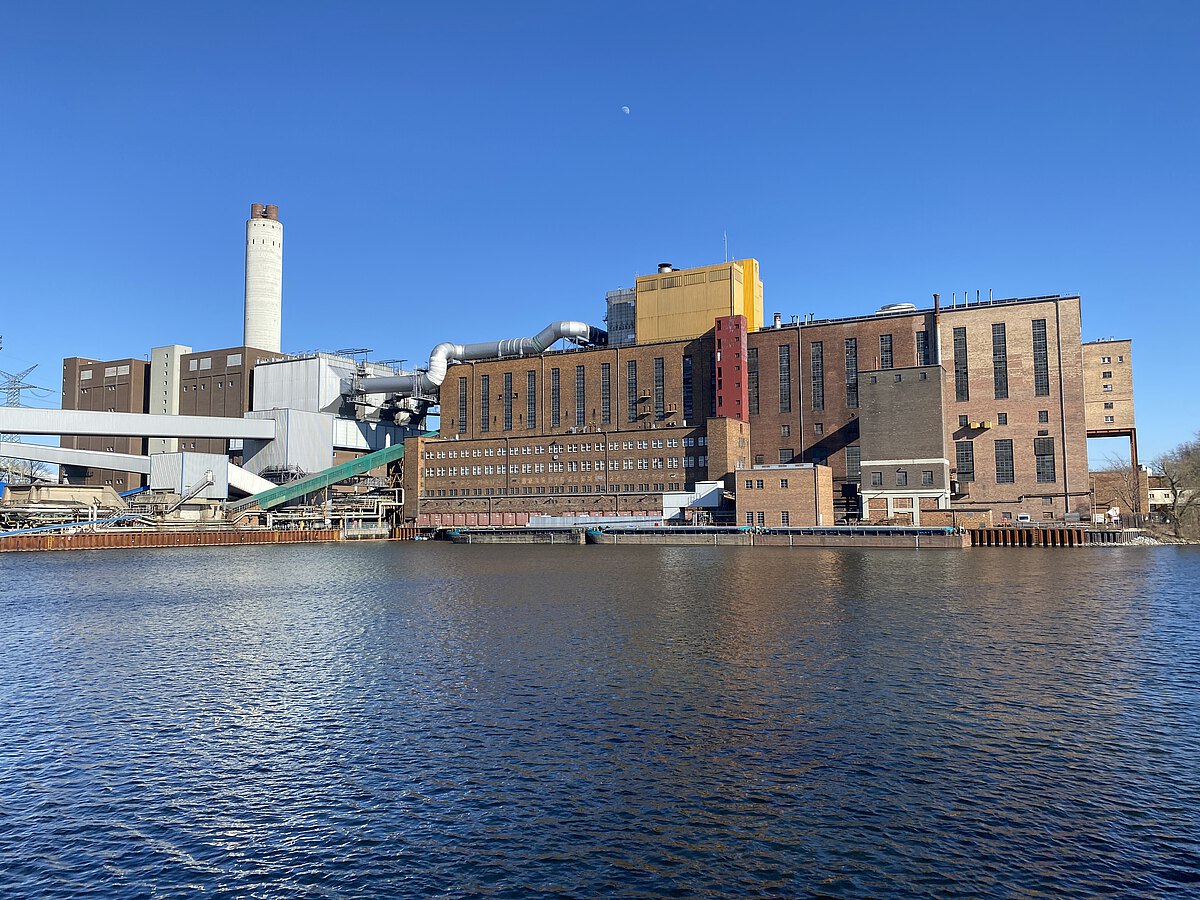
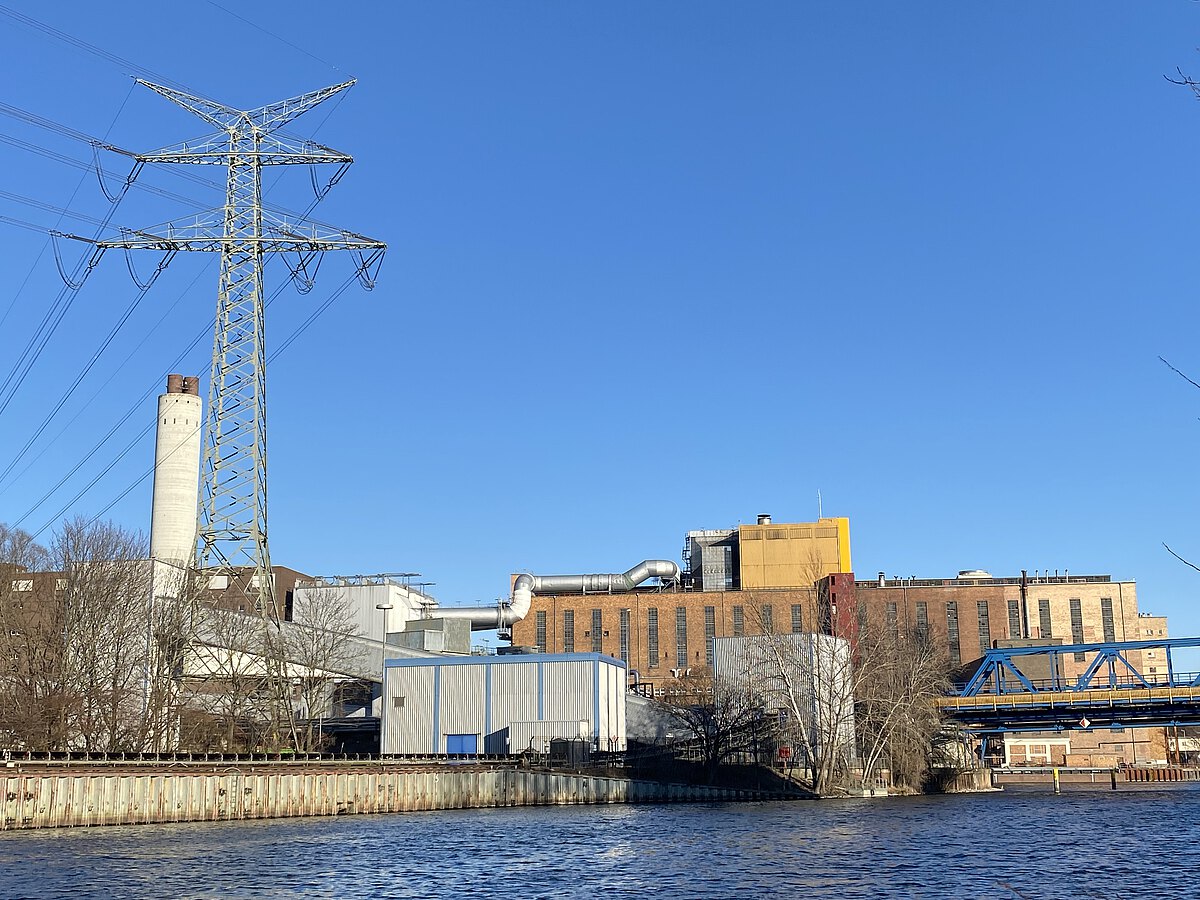
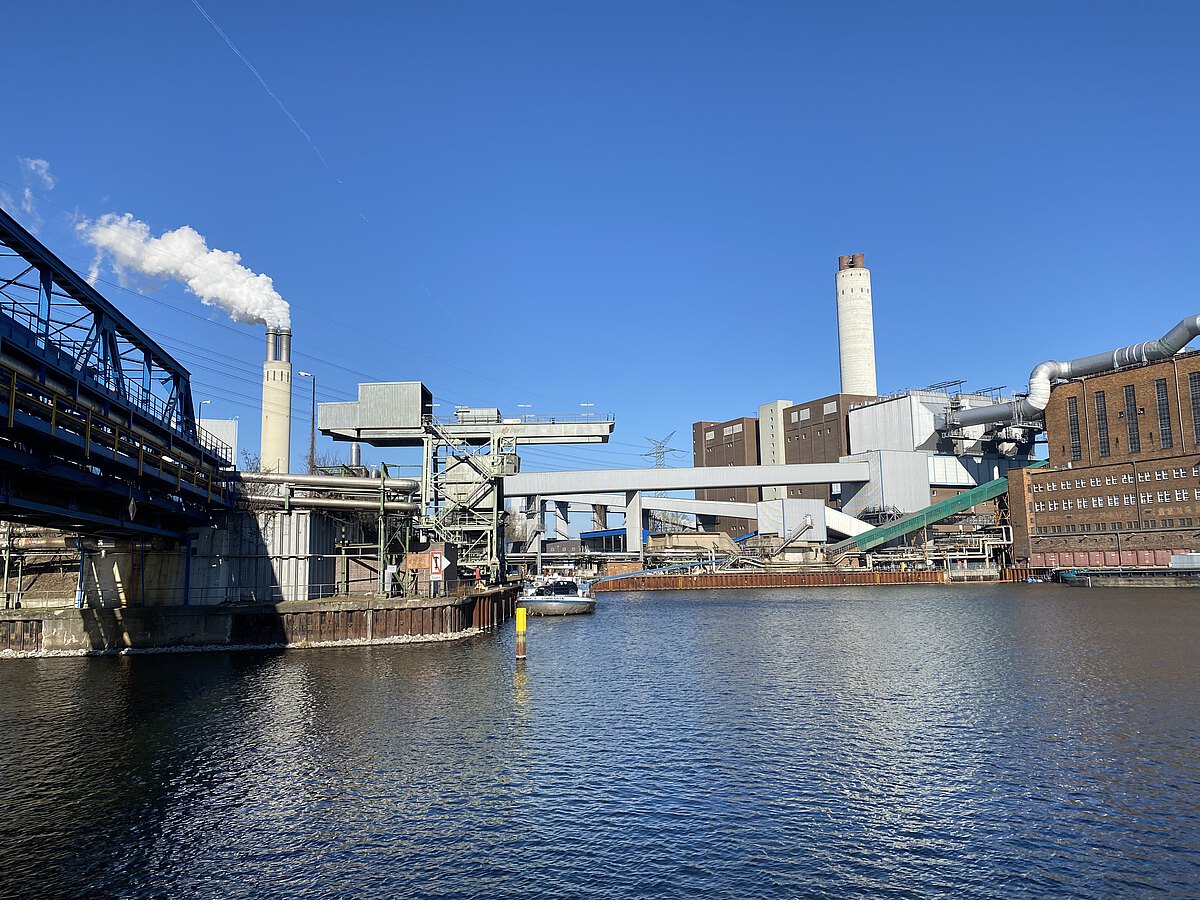
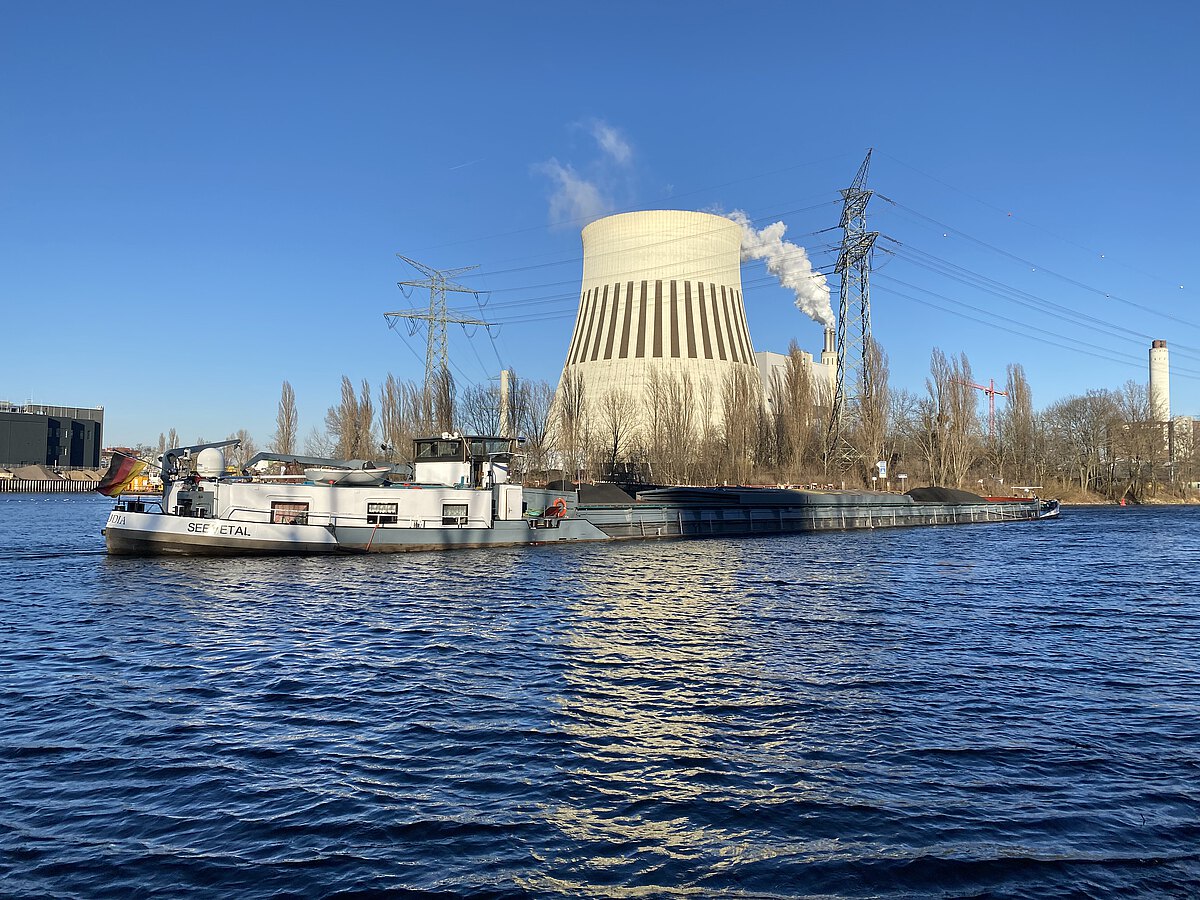
The West Power Plant, located in Berlin-Spandau directly on the Spree River, is fired by hard coal. Coal carriers can unload the hard coal directly at the power plant’s loading dock.
Six 34 MW and two 12 MW steam turbines, powered by eight boilers with a total heating surface of 2,400 square meters, provide a total output of 228 MW. Having been largely spared from air raids, Kraftwerk West continued to supply the city of Berlin with electricity and heat during World War II. It was only after the Soviets dismantled the plant following the end of the war that operations came to a halt. The reconstruction of the West Power Plant, which is urgently needed to supply West Berlin, comes to a significant standstill due to the Berlin Blockade of 1948. Replacement parts for dismantled plant components can only be brought in from West Germany by land or water. However, the Soviets have blocked these transport routes. Other solutions must be found. Ernst Reuter and Lucius D. Clay leave no stone unturned in their efforts. Specialists eventually succeed in breaking down the necessary spare parts and components into smaller and smaller pieces until they can be flown to West Berlin by transport aircraft and reassembled there. In December 1949, the turbines restarted with a capacity of 60 MW. After several expansion phases, the power plant reached a capacity of 326 MW in 1956. The next expansion phase followed in 1967. Unit C was built and went into operation in 1969. Now, Power Plant West—known as Reuter Power Plant since 1953—has an electrical output of 440 MW. Thirteen years later, in 1982, Reuter Power Plant is expanded to include the Reuter West Combined Heat and Power Plant. Meanwhile, the time has come to decommission the outdated plant components from the early years up to 1952 and replace them with modern equipment. In 1988, a high-performance turbine set goes into operation. By the turn of the millennium, the units built between 1954 and 1956 have also reached the end of their service life. Further modernizations follow.
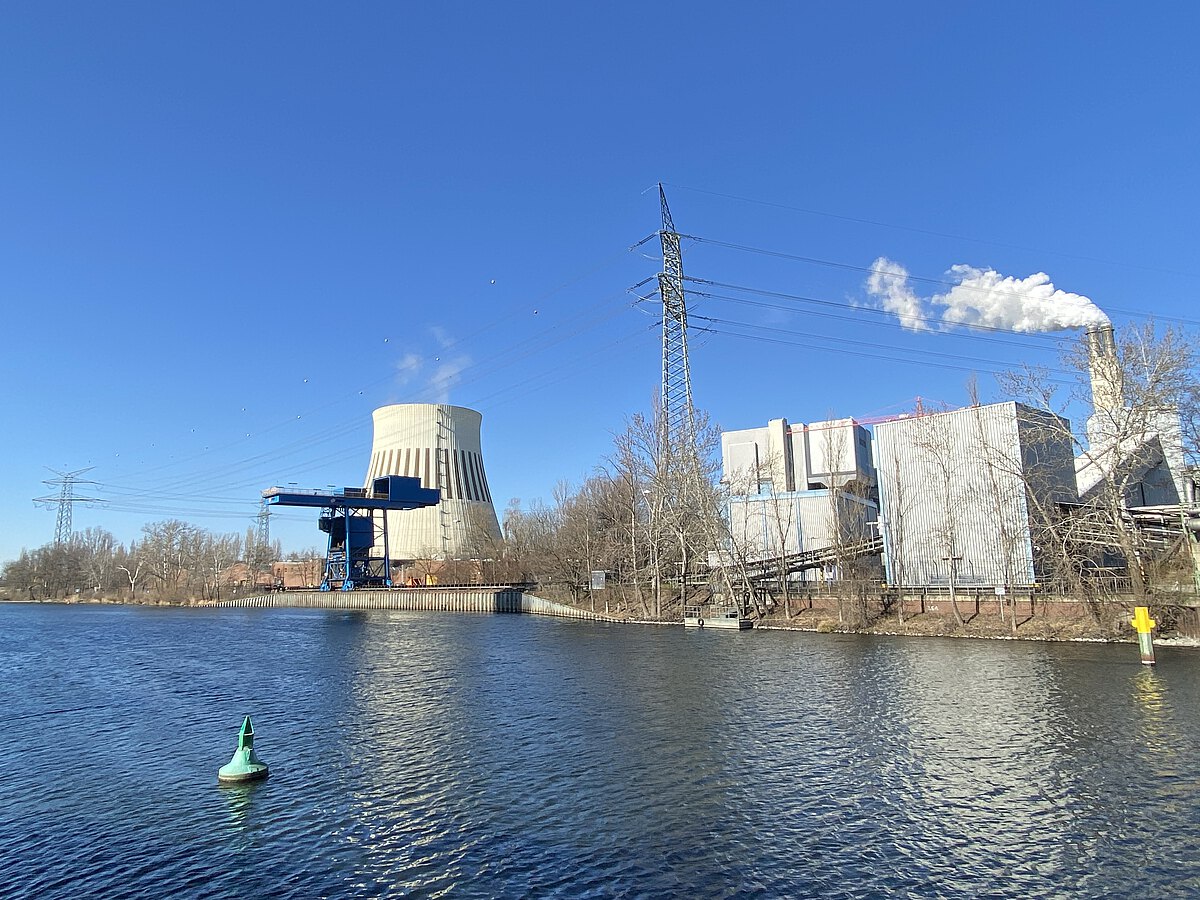
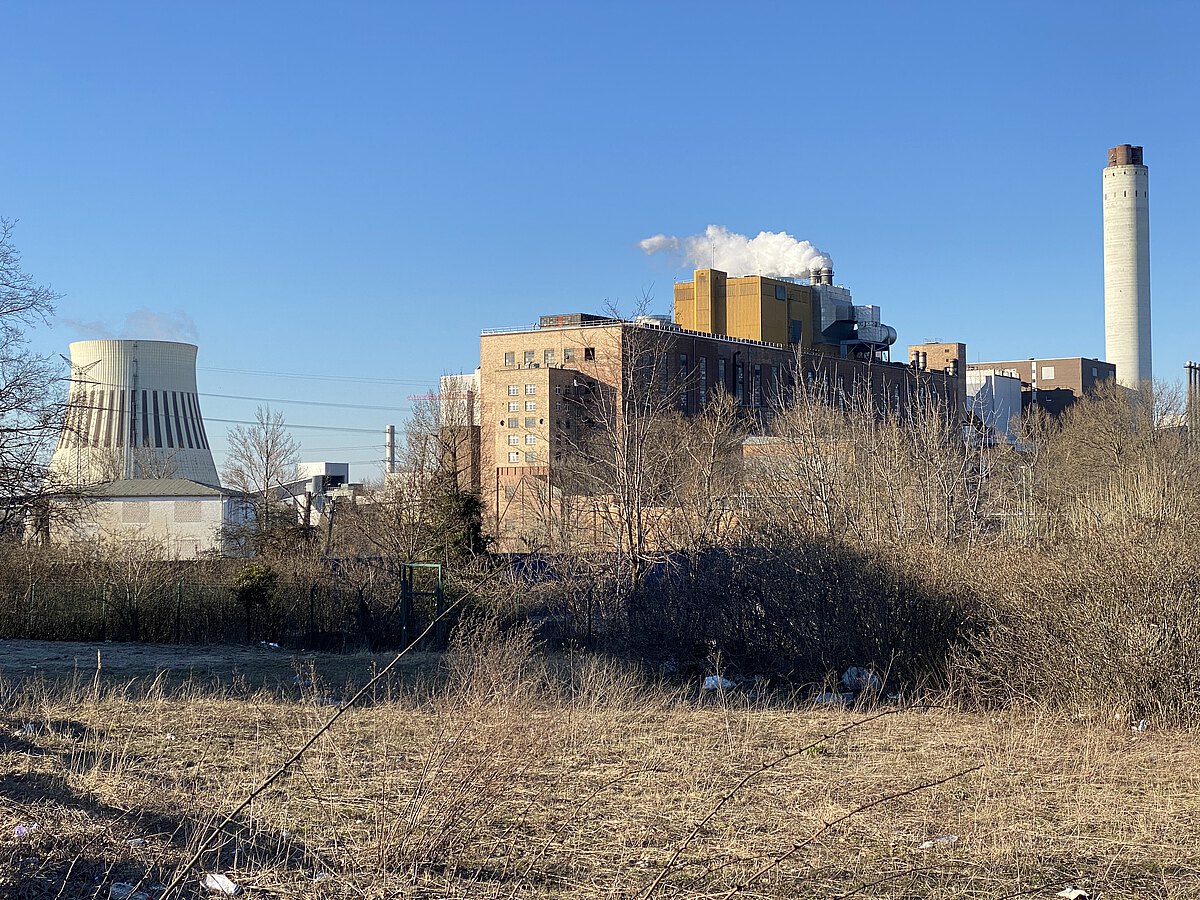
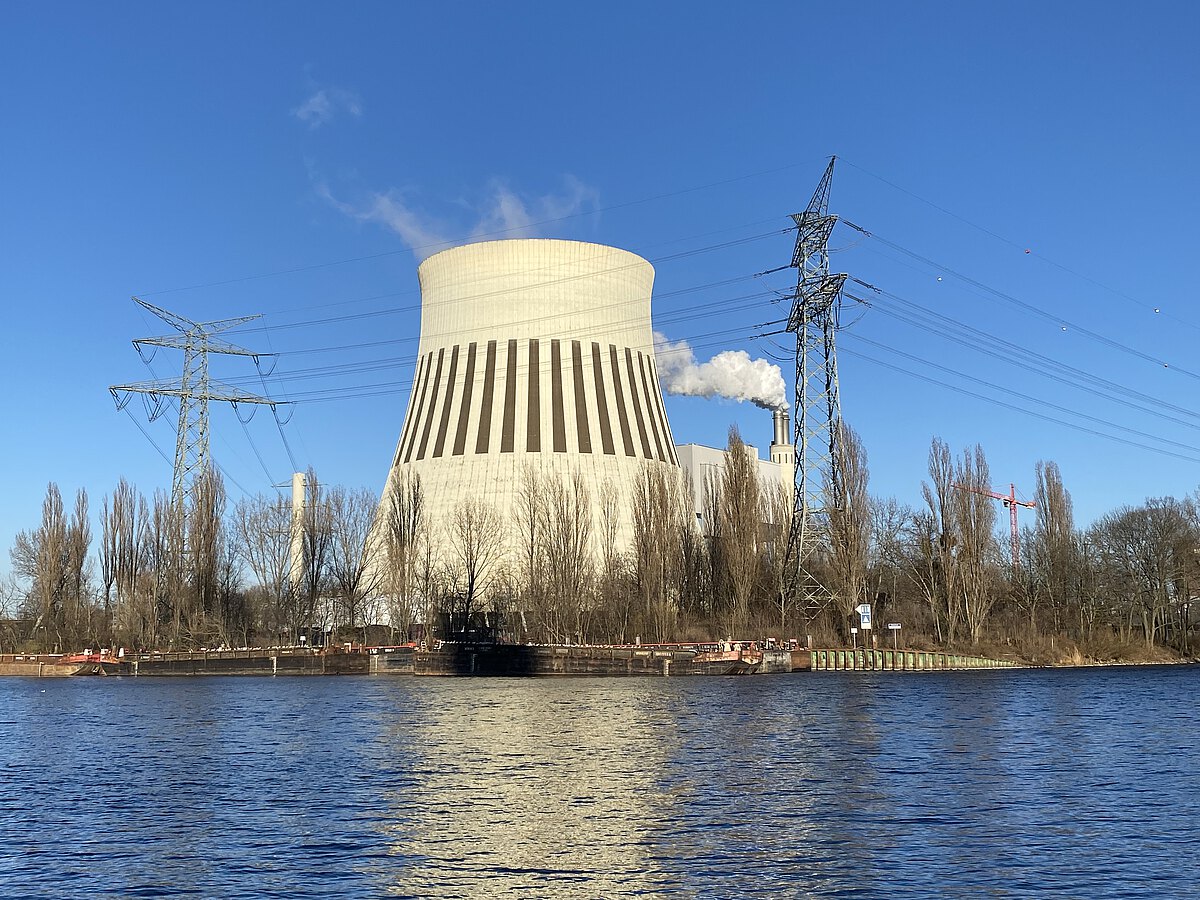
The 100-meter-high cooling tower draws the eye to the combined heat and power plant from afar. Anyone driving on the Berlin city highway (A 100) and looking west from the Rudolf-Wissel Bridge can see it.
When energy demand is high, an entire ship’s cargo of 500 tons is burned in just under two hours. Daily demand averages 3,300 tons. 400,000 households are supplied with heat and 1 million households with electricity.
In 2017, construction begins on a high-performance power-to-heat plant, which begins operations two years later in 2019. Unit C has served its purpose and is decommissioned.
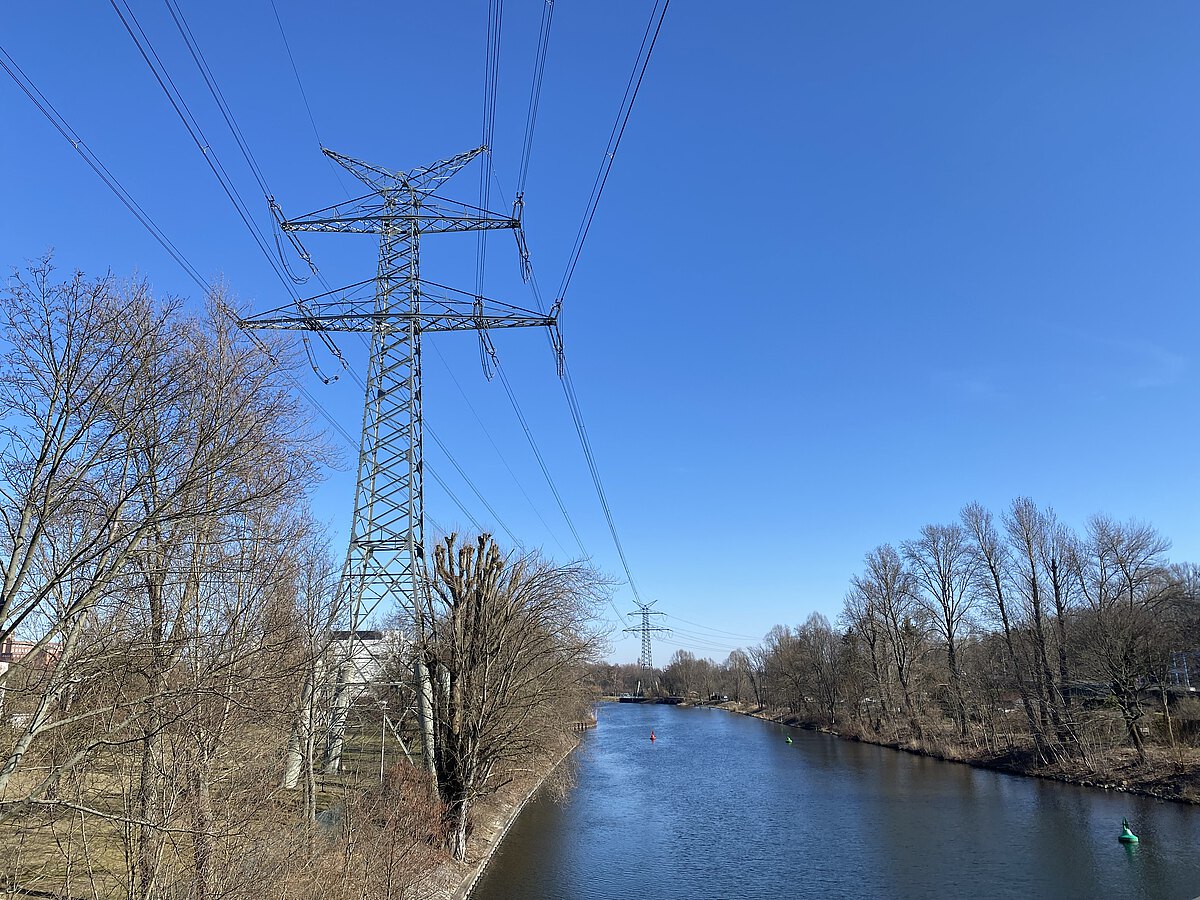
The electricity generated at the Reuter CHP plant flows into the power grid via the connected 110-kV high-voltage lines, while the neighboring Reuter power plant feeds electricity into the grid via 380-kV underground and overhead lines. A gas-insulated SF6 switchgear is still in operation there. One outgoing 380 kV overhead line leads to the neighboring Reuter West CHP plant; another, like the 380 kV underground cable, is part of the 380 kV cross-connection. The Berlin-Teufelsbruch substation is connected to the 380 kV underground cable. Until 2014, the Reuter power plant and the Moabit power plant were connected via a 110 kV line, partly as an overhead line and partly via underground cables.
Despite a modern flue gas desulfurization system, emissions of carbon dioxide, nitrogen oxides, sulfur oxides, arsenic, and mercury are not insignificant.
<< Back